6 Facts About Central Asian Shepherds
Central Asian Shepherds are known for being large and independent working dogs. Here are a few more facts about Central Asian Shepherds:
Read more →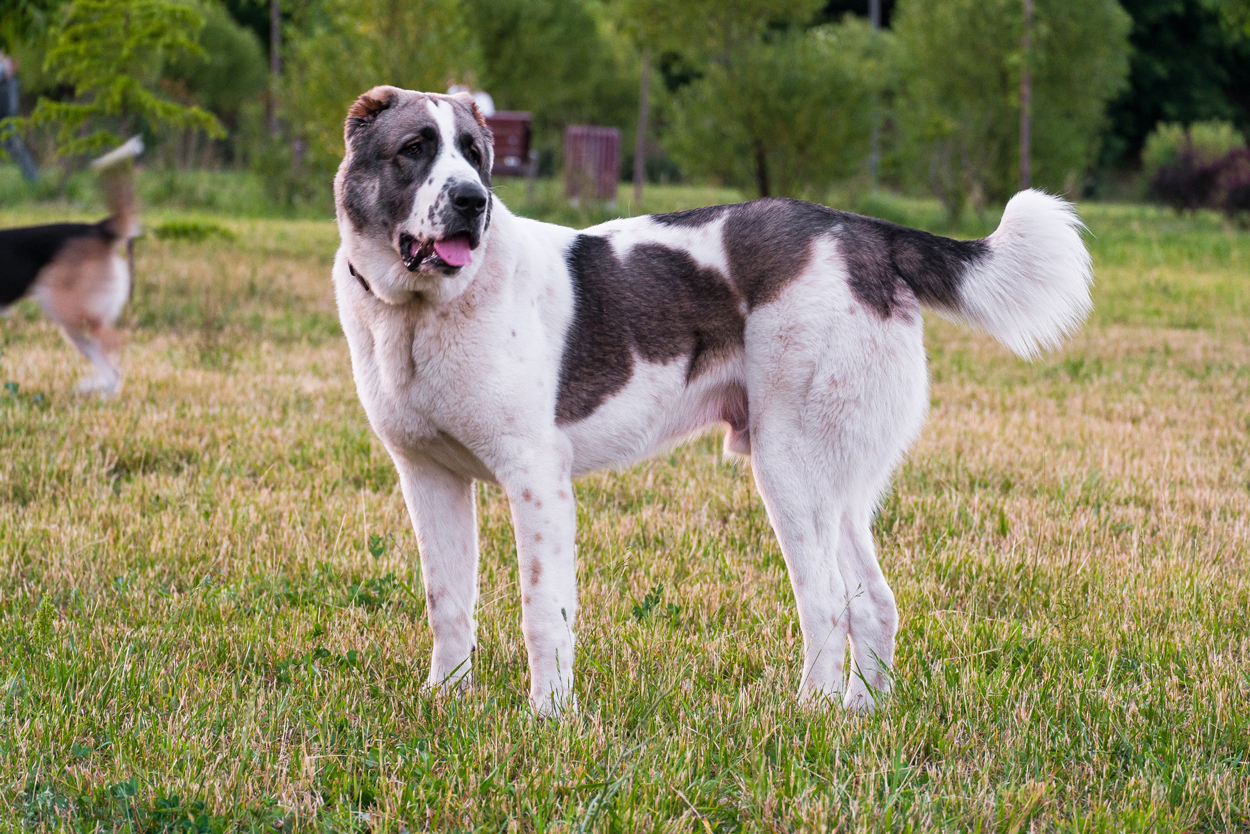
Average Size: Large
Average Lifespan: 12-15 years
Kid/Pet Friendly: Sometimes
Registry: akc
Activity Level: moderate
Shedding Level: moderate
Grooming Level: moderate
Trainability: moderate
Good For Novice Owners: low
Adaptability: moderate
Prey Drive: high
Watchdog: very alert
The Central Asian Shepherd Dog is a large dog breed that originated from a large territory in what is now Central Asia. Although this dog breed may have some specific human guidance now, they didn’t originate that way. One of the facts about Central Asian Shepherds is that they are not a man-made breed.
This dog breed is one of the oldest known breeds. It developed on its own through natural selection over more than 5,000 years. Central Asian Shepherds originated and developed over the territory that now ranges from Southern Ural to Afghanistan and from China to the Caspian Sea. These dogs are known historically as a livestock guardian breed. They were commonly used to guard herds of sheep and goats, but they were also used for general guard duty against people and especially wild predator animals.
Although they are not quite fully recognized by the AKC yet, Central Asian Shepherd Dogs have been assigned to the Working Group and have been recorded in the Foundation Stock Service since 1996. As of 2010, this breed has also been approved to compete in AKC Companion Events.
No Central Asian Shepherd puppies are available right now — check back soon!
Central Asian Shepherds are known for being large and independent working dogs. Here are a few more facts about Central Asian Shepherds:
Read more →Big dogs make wonderful family companions. If you’re looking for a lovable large dog, here are some of the largest dog breeds in the world:
Read more →Independent doesn't mean lots of time alone, just not a need to be always glued to you. Here are a few of the most independent dog breeds:
Read more →